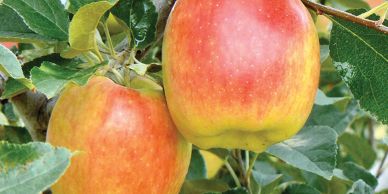
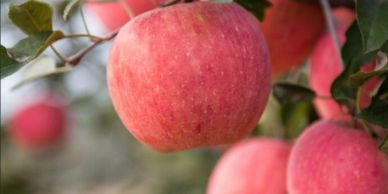
At Swope's, we grow over 50 varieties of apples, so we can offer our customers all of their favorites. We offer quality fruit from heirlooms to popular new breeds!

Ambrosia
The Ambrosia apple is a medium to large, bi-colored apple with a sweet, honeyed flavor, crisp yet
tender flesh, and low acidity, ideal for fresh eating and baking.
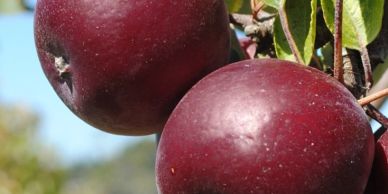
Arkansas Black
American heirloom apple cultivar with origins in Benton County, Arkansas, first recorded in the mid‑19th century. It is one of the darkest apple varieties, with skin ranging from deep crimson to almost black. They are firm, hard, and tart and are great for eating and baking.
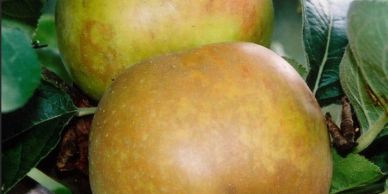
Ashmead's Kernel
This 1700's English apple is flattish, round with a slight conical shape, and ripens in late September to Early October. This aromatic orange russet apple has a sweet flavor with high acid content mellows after long storage.
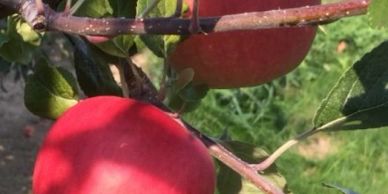
Autumn Crisp
This sweet red eating apple was developed at Cornell University's research station. This apple ripens in September and is perfect fresh or a great addition to fresh salads.
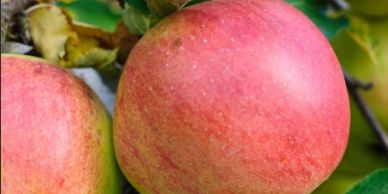
Baldwin
Baldwin is a 1700's American apple that ripens in October. It has crisp, tender flesh with a sweet flavor. The skin as a yellow hue covered with red stripes.
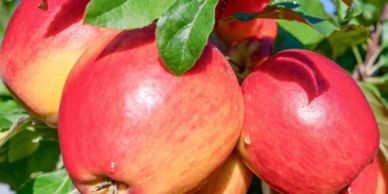
Braeburn
An introduction from New Zealand in the early 1950’s, this apple variety is a cross between a Lady Hamilton and a Granny Smith. An overall great apple for eating fresh, cooking, and baking.
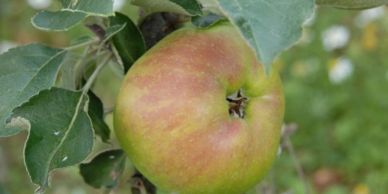
Bramley Seedling
This large green apple variety is great for cider but is also a popular cooking variety in England. It is tart and firm, making it a great apple for adding acid to cider or baking into a pie!
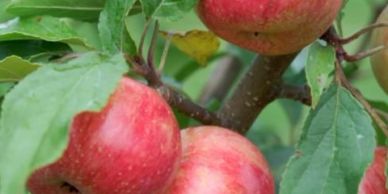
Chestnut Crab
Developed in the 1940's by the University of Minnesota, this large crab apple has a pale yellow skin with red blush, is crisp and sweet with a nut-like flavor. It is great for pollinators, adds acidity and depth to ciders, and can be baked or turned into a jam.
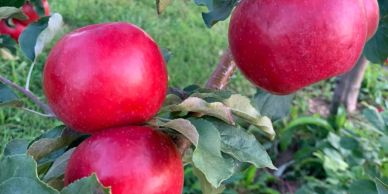
Cortland
The Cortland apple is a medium to large heirloom variety known for its sweet-tart flavor, crisp texture, and
resistance to browning, making it ideal for fresh eating
and cooking.
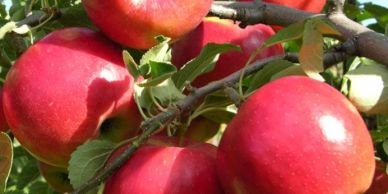
Crimson Crisp
The Crimson Crisp ripens in September and is a superb eating apple. The deep crimson skin of this apple covers its sweet, crisp, subacid yellow flesh. This apple was developed for extended storage and holds well over winter.
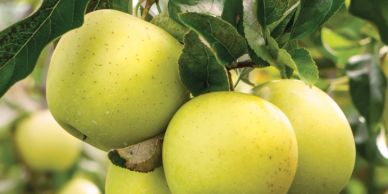
Crispin (Mutsu)
Developed in Japan and introduced in the 1940’s, it is a cross between a Golden Delicious and the little-known variety, Indo Cross. This apple is great for eating fresh, baking, and cooking.
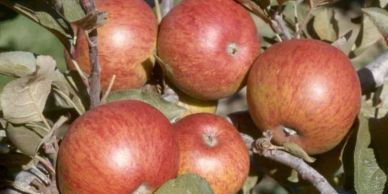
Dabinett
This bittersweet vintage variety ripens mid-season, is greenish-yellow, and very aromatic when fully ripe. The juice is sweet and astringent, a perfect blend for cider making.
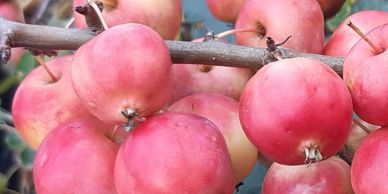
Dolgo Crab
The Dolgo Crabapple is a cold-hardy, disease-resistant crabapple tree with fragrant white blooms, bright red tart-sweet fruit that ripen in Late August, early September.
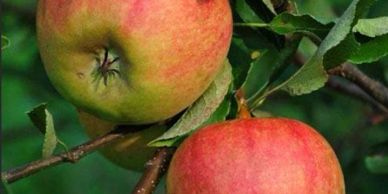
Elstar
This offspring of the Golden Delicious and Ingrid Marie became available in the U.S. in the early 1970’s. This apple is great for eating, pies, and baking.
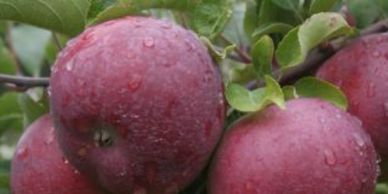
Empire
This very popular apple is a cross between McIntosh and Red Delicious. It was developed at Cornell University in New York and introduced in 1966. This apple is wonderful for eating fresh, cooking, baking, and turning into pies.
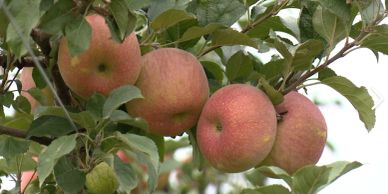
Evercrisp
The Evercrisp is a sweet, crisp, and firm American
apple variety, a cross between Honeycrisp and Fuji, prized for its dense texture, long-lasting crunch, and versatile culinary uses. Was developed by the
Midwest Apple Improvement Association (MAIA) in Ohioduring the late 1990s.
Fuji
This popular apple originated in Japan and was introduced to the U.S. in the 1980’s. It is a cross between Red Delicious and Ralls Genet. This apple is best eaten fresh.
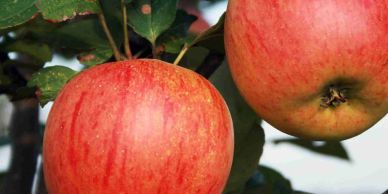
Gala
One of the most popular varieties, the Gala (or Imperial Gala), is native to New Zealand and is a cross between a Golden Delicious and a Kidd’s Orange Red. This apple is great for eating fresh or adding as a topping to salads.
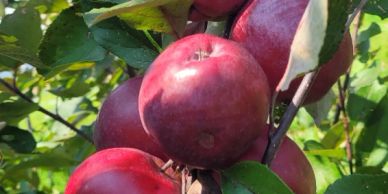
Geneva Crab
This small, Siberian, crimson fruit was originally imported from Russia. It is highly flavorful, olive-shaped, and rich in pectin. When blended with sweet varieties, this astringent fruit will add depth and balance to sweet and hard cider. It is a great addition to a cider blend or turned into jam. Ripens in late August and into September.
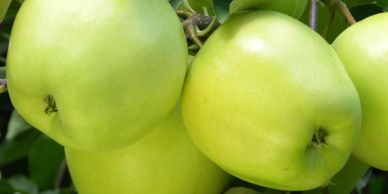
Gingergold
This variety, native to the Blue Ridge Mountains, is a result of a cross between a Golden Delicious and an Albemarle Pippen. Similar to Golden Delicious. Crisp and juicy. Uses include eating, pies, and baking.
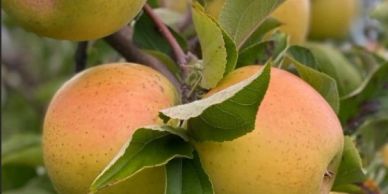
Gold Rush
This apple got its name because of its gold color and the “rush” of flavor. Developed by Purdue University, it was introduced in 1994. Good for eating fresh, as a salad topper, baked in pies, and cooking.
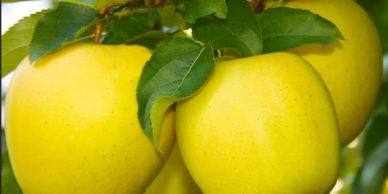
Golden Delicious
The Golden Delicious was discovered, apparently by chance, in West Virginia in the early 1900’s and is West Virginia’s official state fruit. This apple is great for eating, pies, and baking.
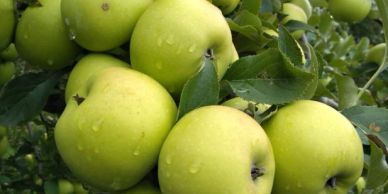
Grimes Golden
An old-time apple discovered in the 1830’s in West Virginia. It is thought to be a parent of the Golden Delicious. This apple is great for eating, pies, and baking.
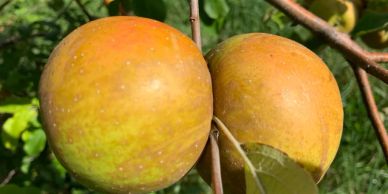
Golden Russet
This 18th-century English apple is considered to be one of the best cider apples of all time, but it also makes a wonderful dessert apple. The medium-sized fruit’s russet skin varies from ashy green to golden bronze with coppery-orange blush. This sweet apple ripens in October.
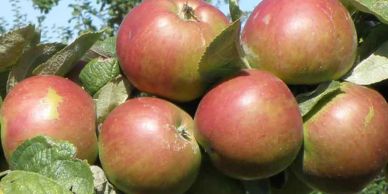
Graniwinkle
This sweet and rich apple has a high sugar content and produces a syrupy cider. The greenish-yellow fruit gathers red stripes and ripens towards the end of September.

Granny Smith
This apple was discovered in Australia by Maria Ann Smith in the 1860’s and is a cross between a French crab apple and Rome Beauty. Good for eating, but best for pies and baking.

Gravenstein
This antique apple originated in Denmark in the late 1700’s and produces a smooth, large green fruit. This fruit ripens in September and stores well over winter, as the apple's richness improves with age.

Harrison
Harrison apples are great for cider making as well as baking. They are acidic, sweet, and high in tannin, making them an ideal choice for single-variety cider or for adding to a blend!

Honeycrisp
This winner is the result of what was thought to be a combination of Macoun and Honey Gold. This variety can be challenging to grow. This apple is great for eating fresh and on top of salads.

Jonagold
This cross between a Golden Delicious and a Jonathan was introduced in 1968, developed by the N.Y. State Agricultural Experiment Station. This apple is great for eating, pies, and baking.

King David
The King David apple was founded in Arkansas and is a delicious dessert and cider apple. The skin is dark red, and the fruit contains a sweet flavor with a light amount of acid. This apple generally ripens in October.

Kingston Black
This late-September apple has a dark mahogany outer skin over an orange background. The 19th-century English apple has a moderately sweet taste with an astringent aftertaste, making it perfect for cider.

Ludacrisp
The Ludacrisp apple is a medium to large apple known for its juicy, tropical flavor, vibrant appearance, and unique.
The name is inspired by the rapper Ludacris.

Macoun
Considered to be one of the better eating apples, the Macoun came about as a result of a combination of McIntosh and Jersey Black. This apple is great for eating, pies, and baking.

Margil
This old English apple is small in size, has an orange and red skin with dark red stripes, an aromatic and unique flavor, and a high sugar content. The combination of sugar and acid makes this a great cider apple.

McIntosh
John McIntosh, a Canadian farmer, discovered this apple on his Ontario farm in the St. Lawrence Valley in the early 1800’s. This apple is great for eating fresh or making applesauce, but it's generally considered too soft for pies.

Melrose
This apple variety, a cross between a Jonathan and Delicious, was developed at the Ohio Agricultural Experiment Station in the 1940’s. This apple is great for eating fresh or for making pies.

Newton Pippin
This 18th century apple originated in New York and is medium to large in size. The skin is a green and yellow hue that ripens in October.

Nittany
We are one of the few orchards to grow this apple. Introduced by Penn State, it is a cross between Golden Delicious and York Imperial. This apple is great for eating, pies, and baking.

Nonpareil
The Nonpareil originated near Stark County, Ohio, before the 1850’s. This late-August apple has pale skin with a striped pink-and-crimson covering. This juicy eating apple is very aromatic with a mild and slightly acidic flavor.

Northern Spy
This apple was brought to Connecticut in the early 1800’s and has been used to develop many new varieties. This apple is scarlet red, with juicy, crisp flesh and a sweet, rich, mildly acidic flavor that is great for desserts, pies, and cider. Ripens in September to early October.

Pink Lady
A medium-sized fruit with blush skin over a yellow undertone that ripens in October. This sweet and crisp fruit originated in Australia but has quickly become an American favorite for eating and baking into pies.

Porter's Perfection
Porter's Perfection is a bitter sharp English apple that ripens in October. This deep red apple has a cream colored flesh and produces a sharp astringent juice, great for cider making.

Red Delicious
This popular apple was discovered in Iowa at the end of the 19th century. The Red and Golden Delicious varieties are not related. This apple is good for eating but not suggested for cooking.

Rosalee
The Rosalee apple is a sweet, juicy variety resulting from a cross between Honeycrisp and Fuji. This variety typically ripens in late September

Ruby Frost
This late season apple generally late October to early November. Originally developed by Cornell University's apple breeding program, the Ruby Frost has a delicate balance of sweet and tart with bright red skin and crispy crunchy texture. Great for cooking and baking.

Ruby Rush
A new, disease-resistant apple cultivar was developed at Rutgers University/New Jersey Agricultural Experiment Station (NJAES) as a cross between Gold Rush and Enterprise. Red-skinned apples with aromatic, juicy, and crisp flesh similar to Fuji, ripen in late September.

Smokehouse
This all-purpose apple originated near Millcreek, Pennsylvania, in the early 1800’s. The Smokehouse ripens in October and develops a flushed red color with stripes. The juicy flesh has a mildly sweet and acidic flavor.

Snapdragon
Originally developed by Cornell University's apple breeding program, this apple has an extra-sweet yet spicy flesh. The bite on this apple is juicy and crisp, covered by green skin with red blush. This eating and culinary apple ripens in October.

Somerset Redstreak
This green, yellow, and red old English apple has a sharp, sweet, and bitter flesh with acidity and astringency. Typically used for cider making, this apple can be identified by its red streaks.

Stayman
The Snapp Stayman ripens in October and is a crisp, tart-and-sweet apple. It is great eaten fresh or cooked.

Summer Rambo
The Summer Rambo is thought to have originated near Abbeville, France, in the early 1500’s and has been cultivated in colonial America since the mid 1700’s. This slightly sweet and acidic dessert apple has pale green and yellow skin with a hint of pale red. The early apple ripens in late July to early August.

Sweet Maia
Sweet Maia apples have a yellow skin with a vibrant red blush and were developed by the Midwest Apple Improvement Association (MAIA) through a cross between Honeycrisp and Winecrisp. They have a mildly sweet flavor.

Sweet Tango
Sweet Tango is a hybrid variety known for its sweet-tart flavor, crisp texture, and unique origins as a cross between the Honeycrisp and Zestar apples. They have a balanced sweet-tart flavor which has been described as reminiscent of brown sugar and spiced apple cider.

Twenty Ounce
The Twenty Ounce is an American heirloom apple variety first exhibited in 1843 by George Howland of New Bedford, Massachusetts, after he discovered a seedling on his farm in Cayuga County, New York. They have a yellow-green base covered in red blush, striations, and striping with a subacid, mildly sweet flavor.

Virginia Crab
This variety was grown by a Colonel Blackburn in Paris, Illinois, and was one of the major cider varieties that Thomas Jefferson planted in the north orchard at Monticello. This bitter fruit is a great addition to a hard cider mix.

Wickson Crab
The Wickson Crab is a small, hardy, and vigorous crabapple variety developed in the late 1920s by California pomologist Albert Etter in Humboldt County, introduced in 1944. Yellow-green base with rosy pink-red blush on sun-exposed sides, and is unusually sweet for a crabapple, but with a strong acid component, producing an intensely flavored, slightly spicy profile.

Winecrisp
This late-September apple was developed by the PRI apple breeding program (Purdue, Rutgers, and Illinois Universities). The skin is deep red, and the flesh has a sweet and complex flavor bolstered by mild acidity.

Winesap
The Winesap was first recognized in the 1860’s and was used for desserts and decoration. This apple ripens in October and forms a large and firm fruit with deep red skin and a wine-spicy flavor.

Zestar
This early-season apple ripens in August or early October. Developed at the University of Minnesota, this medium-sized eating apple has a sweet-tart flavor with a hint of brown sugar. The flesh is crisp and juicy, while the beautiful skin highlights yellow spots with red blush.